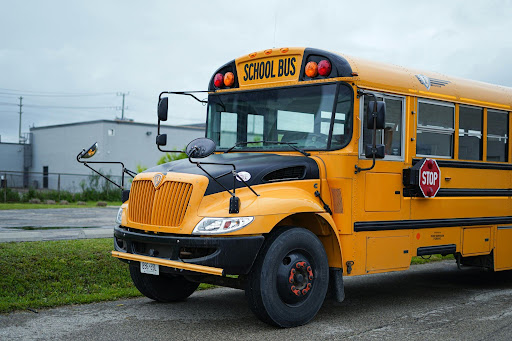

In the United States, there are a total of 133,000 K-12 Schools. One of the most important
and fundamental classes in these schools is English. Among numerous students, every one will
have read at least one book in their English classes. The shocking part is, there’s a good chance
some of these books are inaccessible in parts of the US.
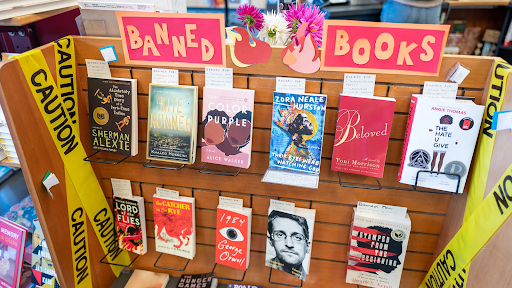
Numerous books have been challenged among the United States in schools over a
concern of the same repeating concerns. This includes racism, sexism, vulgar language, and
sexuality related topics. According to PEN America, the normalization of book banning is often
the result of schools feeling like certain lessons devalue students in the society they are in. Since
2021, 22,800 books have been banned school-wide.
According to Marshall University Libraries, the book “To Kill a Mockingbird” by Harper Lee
has been challenged numerous times. The book follows Scout Finch, a child growing up in
Maycomb, Alabama in the 1930s, a time of racial segregation. Her father, a lawyer, defends a
black man under the name of Tom Robinson, where chaos forms all around the Finch family as
Scout navigates right from wrong.
The book has been read and taught for numerous years since its release in the 1960s and
has become deeply embedded in curriculum. If this is so, why would this all of a sudden change?
Starting in 2004, books have begun to challenge the novel. Starting with Normal Community
High Schools sophomore literature class in Illinois, and the Stanford Middle School in Durham
North Carolina, the book has been challenged for degradation against African Americans, and
the use of the N-word. Despite this, numerous districts across the country still read this book as it
teaches a valuable lesson against racism, yet how it is interpreted is the reason for it’s
challenging.
According to Britannica, challenges to books were brought to the ALA by a numerous
variety of individuals. Organized groups, including school boards and librarians, began to take
matters into their own hands. Only about 1 percent of these challenges were brought up by
students. In a later study in 2025, it was found that 92 percent of these challenges were brought
up by pressure groups.
This evidence poses the question if these book bans are really necessary, or if they’re
unnecessarily taking away fundamental knowledge for students. However, it’s clear that students
reading books that are often challenged is necessary for building empathy and growing a deeper
understanding of the world.
According to American University School of Education, book banning negatively
impacts students’ knowledge as it restricts them from knowledge against the status quo, which is
essential for intellectual development. The majority of students believe that banned books are not
something positive, yet frustrating and unnecessary.
Although the topic of book banning is still up for debate, it’s clear that if these books are
banned, they will have an impact on a students individual growth. It’s very rare that this impact
will have a positive effect, as being exposed to more sensitive topics is essential to students.
However, the topic is still up for interpretation.