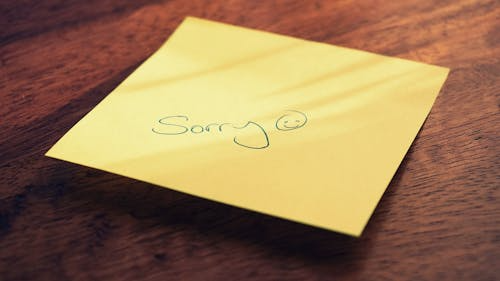
There are many different uses for the word sorry, many people use it in the genuine, heartfelt way, while others say it when anxious or weary of making the wrong impression. But when do you realize that using sorry too much might not convey the message you hoped?
Although the dictionary definition of sorry is supposed to make whoever you are talking to feel like you care about them, over apologizing can do more harm than good. The Gardens at View Pointe research resulted in the evidence that over apologizing affects the way people view you, whether it’s your sincerity or the impression you made on them. Many may not realize that over-apologizing can make the person you are talking to annoyed and less empathetic to your actions.
Repeatedly saying sorry makes the meaning of the apology mean less, so when it comes time for you to apologize for a real mistake, your words will not affect them as deeply.
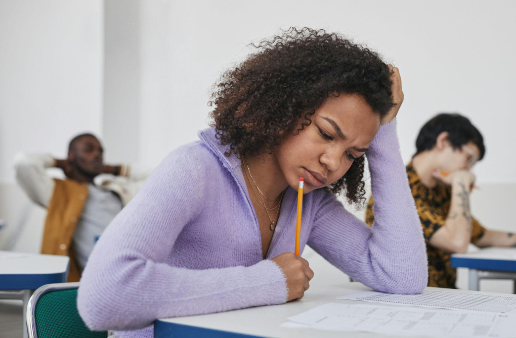
The Gardens at View Pointe identified three different reasons for over apologizing, and the affects it has on the person you are talking to views on you. The first of the three reasons why people over apologize is because of low self esteem and lack of confidence, meaning people think they are always in the way or doing the wrong thing, prompting them to feel like apologizing a lot.
The second reason is when someone has a lack of boundaries,meaning that they will take the blame for things they didn’t do and feel bad about themselves because of that.
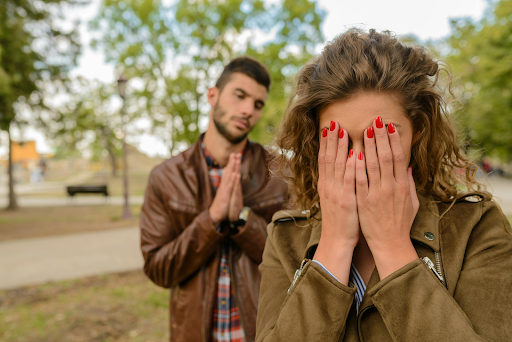
The third reason is fear of confrontation or rejection, so people are sure that they don’t make a bad impression on whoever they are talking to. When you do this, you may act super kind and aware of everything you do, prompting you to feel like saying “sorry” will cover up your mistakes.
Many students and teachers find themselves being an over-apologizers like Ms. Ward, a Biology and Chemistry teacher at Pentucket; “I am definitely an over-apologizer, and I try not to but it is hard to do so.”
While other students have sympathy for overapologizers like Maizlyn Brush who says, “I find that sometimes when I really mean it, I will over apologize, and when others do it, it can get a little bit annoying but it also gets the point across, and I know how they really feel.”
But some agree that over apologizing gives a bad impression, like sophomore MacEachern Sigsworth, who says, “I don’t like when people over apologize because it stresses me out, and there is no need to over apologize. No, I do not think I am an over-apologizer.”
Over apologizing affects the way people think about you and often portrays the opposite message that you are hoping for.