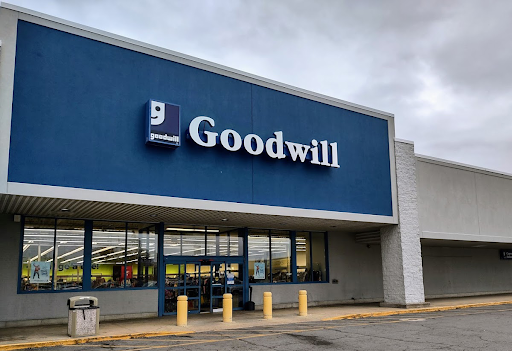
Becoming increasingly popular among younger generations, thrifting is the purchasing of secondhand clothing and items that allows people to express their individuality and explore the beauty of vintage items. On the other hand, equally as popular, if not more, fast fashion is the industry of mass produced, lower quality items sold at lower prices to reach consumers quickly. Both are efficient, but which is the better choice?
Pros and Cons of Thrifting
Thrifting offers many advantages over buying fast fashion items such as affordability, quality, and creativity. When buying second hand at places like Goodwill, Savers, or Salvation Army clothing can usually be purchased for around ten dollars no matter the brand or condition. However, the prices of stores at the mall are significantly higher because of a label. Fast fashion can offer clothing at cheap prices, but good quality is not ensured and often you get what you paid for.
Additionally, buying secondhand opens up a world of opportunities when it comes to discovering vintage brands and different styles. You’re exposed to new fashion and can explore styling pieces you’ve never seen before as well as put together unique outfits you don’t often see trending. Thrifting allows you to express yourself through clothing and accessories and gives you more opportunities to find your style. The wide range of styles and patterns lessens the chance of you wearing the same thing as someone else and allows you to customize pieces to your own taste. Unlike in fast fashion with brands like Shein and H&M producing different variations of essentially the same product, thrift stores provide actual variety that broadens your horizon of fashion.
Unfortunately, thrifting does come with a significant list of cons alongside its pros. Going thrifting can be a hit or miss situation and often ends with disappointment when and if you can’t find anything to your taste. It can be discouraging to leave a store with nothing in your hands after spending hours searching.
Consequently, buying used clothes poses the risk for wear and tear which is why it’s important to be cautious when thrifting to ensure the clothing isn’t damaged. Stains, holes, and stretched fabric are all possible attributes of secondhand clothing that can deter you from purchasing. As long as you are wary of the possible flaws this shouldn’t be too much of an issue.
Environment
The fast fashion industry poses a great threat to the environment, generating more carbon admissions than aviation and shipping combined. Shared in an Earth.org article, “The industry dries up water resources and pollutes rivers and streams, while 85% of all textiles go to dumps each year. Even washing clothes releases 500,000 tons of microfibers into the ocean each year, the equivalent of 50 billion plastic bottles.” The rapid mass production of low quality items is overtaking fashion and only encourages consumerism, contributing to an increasing rate of pollution and waste in the environment.
Thrifting, on the other hand, is a way to purchase high quality clothing without negatively impacting the environment. “According to ThredUp’s 2023 resale report, buying and using second-hand clothing, rather than new, reduces carbon emissions by an average of 25%.” By purchasing secondhand, the amount of clothing that ends up in landfills is reduced and textile waste becomes a much smaller issue. Giving used clothes a new life offers a solution to the ever growing number of clothes ending up in waste piles each year.
Why Thrifting is the Better Option
Fast fashion is the industry of mass produced, low quality clothing items that is slowly deteriorating the planet with the amount of waste connected to it. Modern wave fashion is overpriced and doesn’t offer much variety as big brands are focused on appealing to customers who follow trends and will keep repurchasing newly released items.
However, thrifting is a sustainable alternative to supporting fast fashion that is cheap and offers a wide range of high quality clothing. It reduces the rate of which clothing waste is produced and although maybe not the most efficient form of shopping, is a unique experience that is certain to open your mind to new fashion trends.