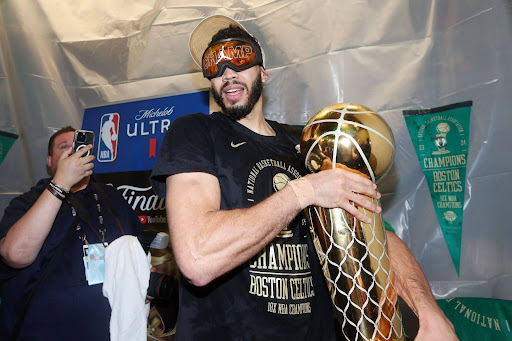
An achilles tear usually benches NBA players for close to a year, but Jayson Tatum returned in about 10 months, which is right around or even a little faster than the normal timeline. Many stars take longer, as Kevin Durant missed around 18 months, and Kobe Bryant came back in about 8, but was not the same physically. Most NBA players need 9–12 months or more, so Tatum’s recovery puts him on the faster side, especially for a superstar in his prime. Even Nathan Rollins, who is a freshman at Pentucket, said, “Yes, I thought Tatum’s recovery was relatively fast.”
Several things helped Tatum return quicker. He had surgery within 24 hours, which doctors say improves recovery. His age and durability at 27 also helped because younger players usually handle rehab better than older ones. Modern rehab methods let players stay active and keep their conditioning, which speeds things up. Reports even said he stayed committed and worked consistently through the whole process. Rollins mentioned he is not worried about reinjury because “He is going to do his thing and win.”
Achilles injuries are known as one of the hardest injuries to come back from in NBA history. Some players never return to their old level, and others lose explosiveness as Kobe did. Many players miss a full season or more, and research shows the injury often causes a drop in performance. Tatum stands out because he returned quickly, avoided losing a full season, and immediately helped the team. Daniel Martins, a freshman at Pentucket, however, said he is “a little bit worried about him getting reinjured because when he dunks the ball so aggressively, like a beast, he might hurt himself easily since his recovery was pretty fast.” He also added that he does not think Tatum’s shoe caused the injury.
Tatum is different because:
- He returned quickly
- He instantly had a positive effect on the team
- He avoided a full lost season
Since coming back, Tatum has already shown strong productivity. He is averaging over 20 points along with rebounds and assists, and he even dropped 30+ shortly after returning. That kind of impact right after an Achilles tear is rare and shows why Tatum is different from most players coming off this injury.
Skilled players often adjust their game after injuries by improving shooting, footwork, and decision-making instead of relying only on athleticism. Injuries also give players time to grow mentally and understand the game better. Rehab builds strength and balance, which lowers the chance of future injuries. Rollins even said he thinks Tatum’s play style will be “tweaked a little bit long term, but in a good way.” Sometimes, the motivation to come back stronger pushes players to reach a new level.
Overall, Jayson Tatum’s recovery stands out because it was faster than expected, more productive than most, and he immediately made a positive impact on the team. If this continues, the injury might actually help him become a smarter and more complete player than before.