

Out of the sixty three official national parks throughout the United States, the most popular are Yosemite, Yellowstone, and Grand Canyon National Park, all located on the West Coast. These national parks are known for their natural beauty and jaw dropping terrain bringing tourists from all around
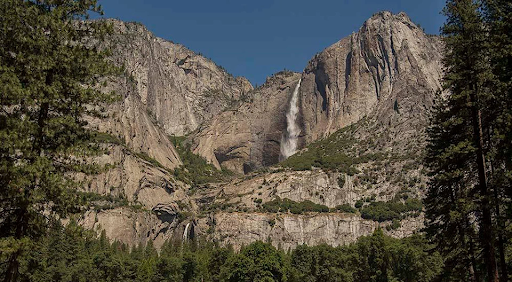
Found in the Sierra Nevada mountains of Central California, Yosemite is best known for its towering waterfalls and granite cliffs located throughout the park. The waterfalls of the park are usually dried up during the summer months, so it is recommended to visit during springtime when the waterfalls are at their peak. Yosemite Falls is one of the world’s tallest waterfalls and can be viewed from various areas of the park, allowing you to experience the serenity and beauty of nature.
Geography
Yosemite is centered in the largest fault-block mountain range in the United States, which is a rugged mountain range formed from tectonic tension on a fault line, contributing to the unique atmosphere of the park with its rocky landscape. Some of the more iconic land forms include Yosemite Valley, the central unit of Yosemite park, Yosemite Falls, North America’s tallest waterfall, Glacier Point, a viewpoint offering views above the valley floor, and Half Dome, a massive granite formation. Each of these landmarks are accessible via hiking trails and explore greater depths of the wilderness within the park.
Wildlife
Housing hundreds of wildlife species, Yosemite is a diverse ecosystem ranging from thick sequoia forests to stretches of alpine rock. Some of the most prominent mammals inhabiting the park are black bears, Sierra Nevada bighorn sheep, red fox, and deer. The bighorn sheep and red foxes tend to stay in the higher elevated areas of the park, living among the mountain tops and thick forests. It’s important to note that feeding the wild animals of the park is illegal and unsafe.
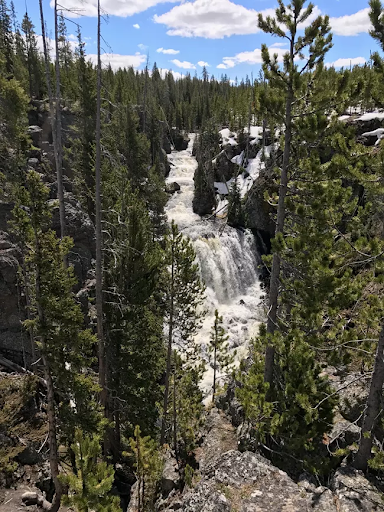
Yellowstone is the world’s first national park mainly located in Wyoming, although some areas extend into parts of Montana and Idaho. Yellowstone was established to protect hydrothermal areas, as it’s home to half the world’s active geysers. Hydrothermal features are geographic formations greeted by underground water heated by magma common in volcanic areas. The park includes famous attractions such as the Old Faithful geyser, Mammoth Hot Springs, and the Norris Geyser Basin.
Wildlife
Almost as famous as its geysers, Yellowstone’s abundant wildlife features hundreds of species of birds ranging from owls and eagles, to the common loon and pelicans, as well as various fish and mammals species including badgers, weasels, and lynxes. The best time to view the birds is in the spring when you see a variety of wetland birds as well as songbirds, raptors, and woodpeckers.
Working to maintain the ecological process of mammals and their habitats, the National Park Service monitors and protects a variety of species such as bison, mountain goats, wolves, and grizzly bears. Bison, for example, must be monitored as the state of Montana has a limited tolerance for their presence outside of the park.
To view popular attractions tourists can take trails such as Fairy Falls, Bunsen Peak, and the Cascade Lake Trail for sightseeing. Hiking around the Grand Canyon is one of the most popular activities in Yellowstone as there are many viewpoints for waterfalls located throughout.
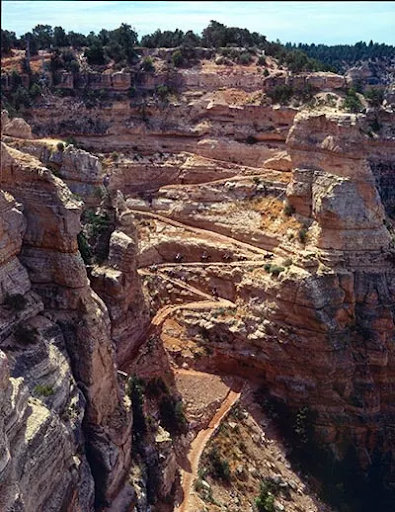
The Grand Canyon National Park is located in Arizona and is broken up into three sections; the South Rim, the Inner Canyon, and the North Rim. The Inner Canyon is everything below the rim and is a harsh desert environment with summer temperatures reaching over one hundred degrees Fahrenheit. The South Rim is where the majority of lodging takes place as it’s the most accessible, while the North Rim remains a place for hiking and attraction viewing. Due to its weather conditions, the Grand Canyon is recommended to visit in either the fall or spring months, but the crowds will become a different issue during those seasons with immense business making it hard to enjoy the park.
Wildlife
The wildlife of the Grand Canyon has adapted to the specific environment the canyon provides. Due to its dry and cool caves, the Grand Canyon is home to one of the highest bat diversities, with twenty two different species of bats. Along with this, bison, bighorn sheep, elk, and mule deer are some of the common mammals seen around the park, but the most common animal to be seen is the gopher snake. Gopher snakes are the longest snake in the Grand Canyon and can be seen in every landscape but primarily inhabit the south rim.
Watching the sunrise or set is a must-do when visiting the Grand Canyon. There is always a good place to watch the sunrise or sunset. Along the Desert View drive, another major attraction, the sunset can be viewed over the desert and includes a view of the canyon itself. The Canyon Rim Trail is another great opportunity to see a beautiful sky as well as experience the terrain of the park itself. By starting the trail in the afternoon, you will experience the changeling light and shadows as you change viewpoints around the canyon.
Each of these parks offer unique and shocking experiences that allow you to enjoy the stunning beauty of nature as well as experiment with new activities and learn more about the wonders of nature.