

For a millennium, women have had little power to stand on when fighting for what they believe in. Across countries and continents, women have been oppressed and stripped of liberties. Their entire identity reflected the men in their lives and their capabilities as daughters, wives, or mothers. Whereas men’s identities were allowed to reflect their abilities outside the home. Hair quickly became one of the only ways women were allowed to express themselves in a repressed society. This transformed into a tool of rebellion when fighting for their rights. Using their hair as a mode for resisting oppression was a subtle yet effective way of challenging gender roles and expectations.
Ancient Egypt
Pharaoh Akhenaten, from 1352-1336 BCE in Egypt, enforced strict religious sweeping; he swapped traditional, polytheistic beliefs for a singular god, Aten. This cultural shift led to art and expression becoming naturalistic and less rigid. Hair became a way of expressing and enforcing this new culture and political views. Women-especially Queen Nefertiti-wore softer shapes and rounded wigs as opposed to the tight, clean hairstyles before. Queen Nefertiti wore more male-associated styles-like her iconic blue cap-to solidify her rightful place as ruler and to resist doubts against her authority as a leader. These women’s hair encouraged widespread political revolutions as they simultaneously fought for ownership of their identity outside of degrading gender expectations
Ancient Rome
Throughout Ancient Rome, especially during the Punic wars women expressed themselves through their hair. During this time period, there were siege engines such as the “ballistea”. These engines required a rope-like torsion spring in order for its projectile mechanism to work. When resources for the rope became scarce, Roman women came with a simple yet powerful solution, their hair. Roman women cut and donated their notably long hair to the war effort. It was revolutionarily uncommon for Roman women to cut their hair as it was related to slaves. Yet, Roman women hid their pride and cut their hair, a patriotic yet symbolic act. The hair replaced the torsion spring allowing the war effort to continue. This action not only showed the empire that women can be useful in the military setting, but that they are capable of doing powerful and great things.
Hundreds of Roman women cut their hair not just for their Empire but to also empower themselves. Women’s fight to be recognized and taken seriously transcended has transcended time itself. The Roman women’s fight is still recognized and appreciated to this day. Sparking a revolution for their Empire and honor as women.
1700’s Black Hair
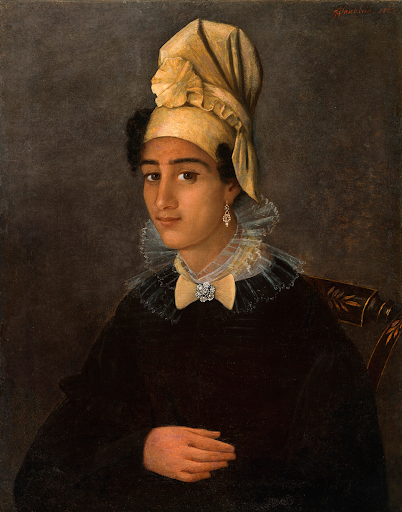
In 1763 Louisiana, after being ceded by France, there was a community of free black individuals. Also known as the Acadians. Although they were free of slavery, they weren’t free from discriminatory laws and treatment, especially not black women. Free black women in Louisiana wore their natural hair in intricate styles and expressed themselves through their unique hair type such as Afros, braids, cornrows, etc. White people thought black women were taking up lots of attention through their hair, a sign of beauty.
In 1786 the governor required all free Black women to wear a tignon; a cloth head wrap traditionally worn by enslaved black women. A degrading law that forced free Black women to reduce themselves and associate themselves with slavery. Instead of allowing the Tignon law to belittle and take their beauty away, they transformed it. They used bright, expensive fabrics, ornate tying styles, feathers, and jewels. The tignon became a symbol of beauty, wealth, creativity,and resistance to oppression. They reformed it and risked the hateful law in a subtle, yet powerful way. This resistance powers black women’s identities many years later. The tignon attempted to repress black women but it empowered them instead.
Slavery Braids
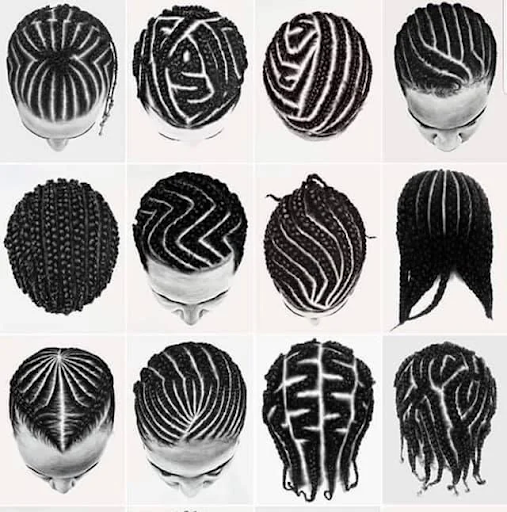
Amid slavery, braids were not just a way of expressing creativity and beauty; enslaved women also used braids as a way of survival. Many women braided their hair into depictions of escape routes. These would be in special styles to signal where water would be, pathways, and other maps. Oftentimes, braids were used to hide gold nuggets and rice as a way to carry food for long strips during escape. Braids and cornrows were easy for maintenance and were also incredibly healthy for women’s hair.
While working in harsh conditions, having hair out of the way was crucial. Braids symbolized resistance and identity for African Americans. Braids were most important for warning signs and escape routes, however they served a purpose for tradition and cultural importance which equally made them significant. Even in today’s modern world, African Americans continue to wear braids similar to the ones that freed their ancestors. An innocent thing such as a braid was capable of freeing hundreds of slaves and spark the Civil war. Creating an essential part of African American culture and American heritage.
(Kofi Oppong, et Kyekyeku,)
1960’s Civil Rights
In connection to slavery, women during this time were not allowed to “draw attention to themselves” in any way. If it were believed that they were putting too much effort, or drawing attention into their hair, causing issues. During the 1960’s, more women used relaxers which straightened their naturally curly hair. The ideology of straight hair was to fit in and please white society. However, as the civil rights movements sparked, black women began to embrace their natural hair, free from societal expectations. This then sparked the natural hair movement, which was a big part of African American culture. The Afro was a traditional, common, hairstyle that showed the aspects of natural hair, and hair does not have to be pin straight and tamed. These movements helped to denormalize straight hair, and embrace natural curls. It was used as a symbol of defiance in the Civil Rights Movement as women embraced their culture and fought for their rights. It brought a powerful message that showed their hair was more than simply hair but it was a symbol of who they were as black Americans. It formed an identity leading to what we now know as the civil rights movement.
Modern-day Afghanistan
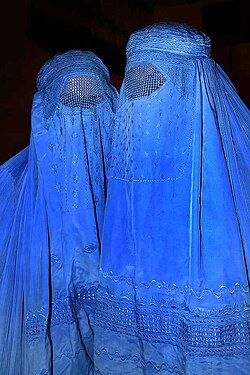
In recent years, Afghanistan has become extremely strict on how women live. There are now bans on education, employment, medical treatment, and more. More recently, the Taliban banned women’s hair salons. Many news outlets have reported the disastrous effects on women and their overall freedom. Not only does this take away the cultural and symbolic meaning of hair cutting, it is also closing down many businesses, leaving people jobless, poor, and impoverished. Furthermore, the Taliban has now enforced strict policies that force women to wear full-coverage burqas. This ultimately strips women of any identity or expression. Even with no political or social power to stand on, women have continued to fight for their basic rights. While protesting, women uncover their hair to not only rebel against the law but also stay true to their own personal identity. Many women are jailed and battered for this simple action. The Taliban then moves to punish the women’s male guardians, like brothers, husbands, and sons. Despite this, protests continue and these courageous women have used their uncovered hair to persist in their fight for freedom for human rights and freedoms.
“The Taliban orders women to wear burqa in public in Afghanistan.” Le Monde,
All in all, hair is not only a tool of fashion or expression, it is also a powerful element in sparking revolutionary changes in society.